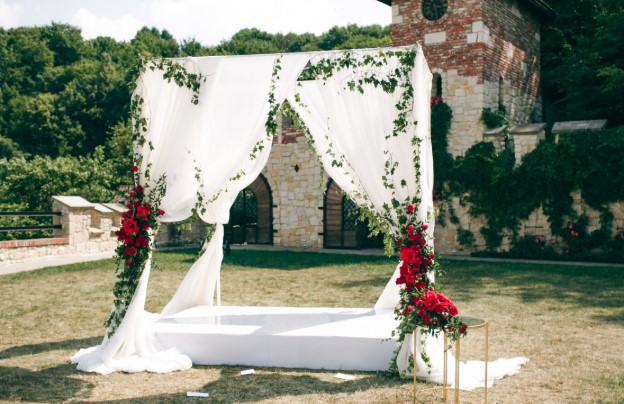
Choosing a location for your special day is one of the most significant decisions in the planning process. The rustic charm and natural elegance of a countryside setting have made rural venues increasingly popular for couples seeking a romantic and relaxed atmosphere.
However, transforming a historic structure into a functional event space requires careful attention to detail. To ensure your celebration is as seamless as it is beautiful, you must look beyond the initial aesthetic appeal and evaluate the practical infrastructure of the property.
Assessing the Capacity and Space Distribution
The first step in your search is ensuring the facility can comfortably accommodate your guest list while maintaining an intimate feel. Historic structures often have unique layouts with support beams or multiple levels that can impact the flow of the evening.
When you visit a potential wedding barn, visualize where the ceremony, cocktail hour, and reception will take place.
It is essential to have enough room for a dance floor and buffet stations without making the seating area feel cramped. A well-proportioned space ensures that your guests can move freely and enjoy the festivities.
Evaluating Climate Control and Seasonal Comfort
One of the biggest challenges with rustic venues is maintaining a comfortable temperature for your guests. Many older structures were not originally built with modern insulation or HVAC systems.
If you are planning a summer celebration, inquire about the availability of high-powered fans or air conditioning. Conversely, an autumn or winter event will require reliable heating solutions to keep the interior cozy.
Choosing a wedding barn that offers integrated climate control will save you the significant expense and logistical headache of renting external heaters or cooling units.
Reviewing On-Site Amenities and Facilities
A beautiful exterior is only part of the equation; the functional amenities often determine the success of the event. Check for the availability of modern, clean restrooms that are easily accessible from the main hall. Additionally, look for dedicated dressing suites where the wedding party can prepare in private.
A high-quality wedding barn should also provide a catering kitchen or a designated prep area with sufficient electrical outlets and water access. These behind-the-scenes features are vital for your vendors to perform their jobs efficiently and professionally.
Analyzing Lighting and Electrical Infrastructure
The ambiance of a rural venue is heavily dependent on lighting, yet older buildings often have limited electrical capacity. Check if the venue provides permanent decorative lighting, such as chandeliers or fairy lights, or if you will need to bring in a professional production team.
Furthermore, ensure the electrical panel can handle the power demands of a professional DJ, caterers, and additional lighting rigs simultaneously.
A wedding barn with updated wiring prevents the risk of a power outage during your most important moments, such as the first dance or the speeches.
Considering Accessibility and Guest Logistics
Rustic locations are often tucked away in remote areas, which adds to their charm but can complicate travel for your guests. Consider the condition of the access roads and the availability of on-site parking.
It is also crucial to evaluate the venue for accessibility, ensuring that elderly guests or those with mobility challenges can navigate the terrain and the building with ease.
Selecting a wedding barn that offers ample paved parking and accessible entrances demonstrates thoughtfulness toward your guests and ensures that everyone can participate in the celebration without difficulty.